A Loan, A Delay, and a Broken Process
Ramesh, a Pune-based small businessman, needed to increase the size of his printing facility. He went to a lender seeking a loan. A paperwork vortex ensued: bank account statements from two banks, income tax returns, GST returns, and documentation of income from a mutual fund SIP. Weeks went by, to-and-fro went on, and the loan was finally approved, but only after Ramesh pledged his warehouse as collateral.
What if the lender had access to all that verified data in just a few clicks, with Ramesh’s full consent and no physical documents?
That is not a future scenario. That is what the Account Aggregator (AA) framework is already making possible.
Introducing the Invisible Infrastructure: Account Aggregators
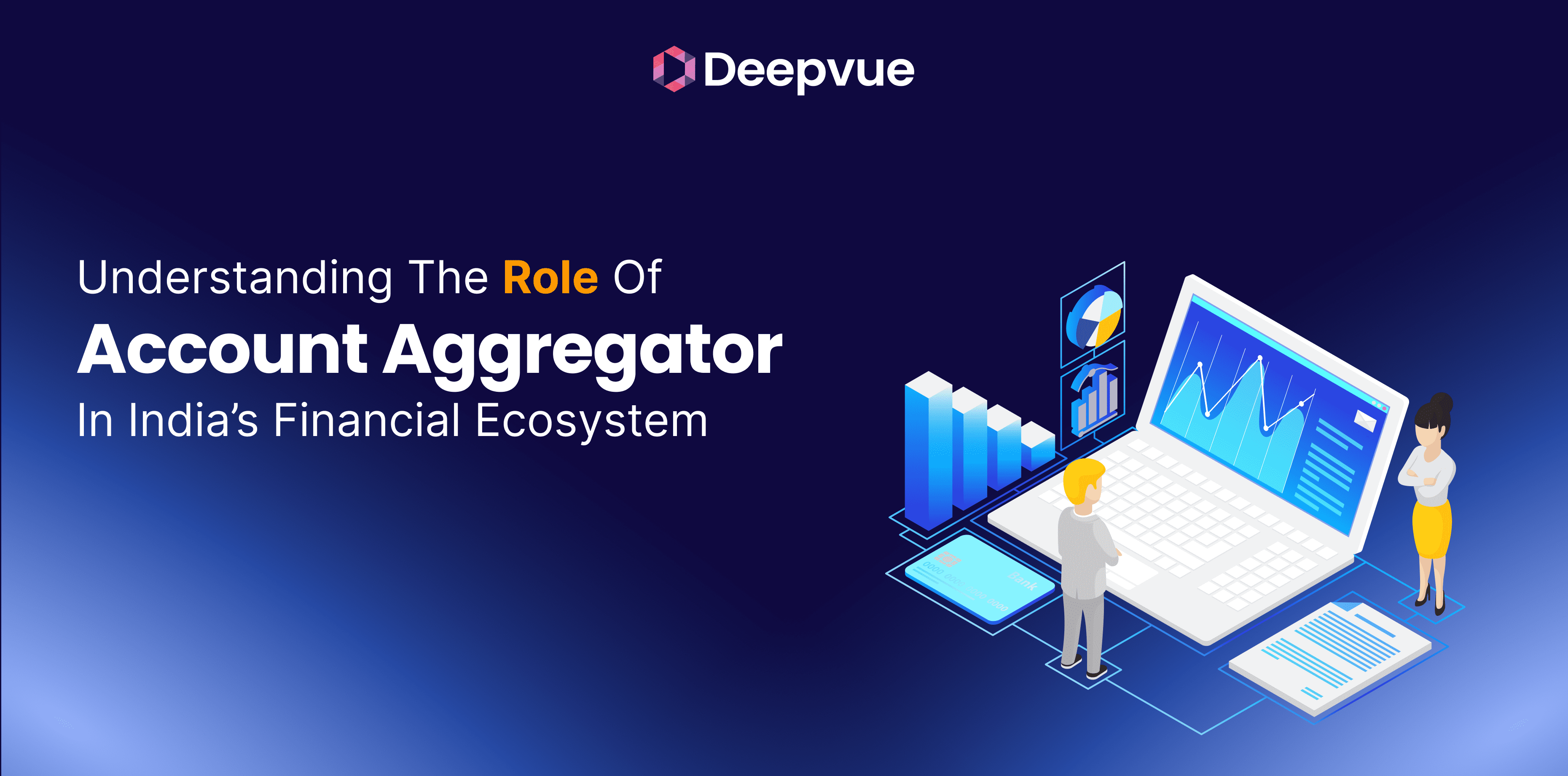
Behind the scenes of India’s rapidly digitising financial ecosystem lies an unsung hero: the Account Aggregator. Designed to let individuals and businesses securely share financial data, AAs are changing how trust is built in finance.
When Ramesh applied for his next loan, he did not send documents. He just approved a consent request on an app. The lender, acting as a Financial Information User (FIU), received verified digital data directly from its banks and GST system through an AA.
No PDFs. No passwords. No errors. Just safe, seamless data exchange.
What Exactly Is an AA, and What Does It Do?
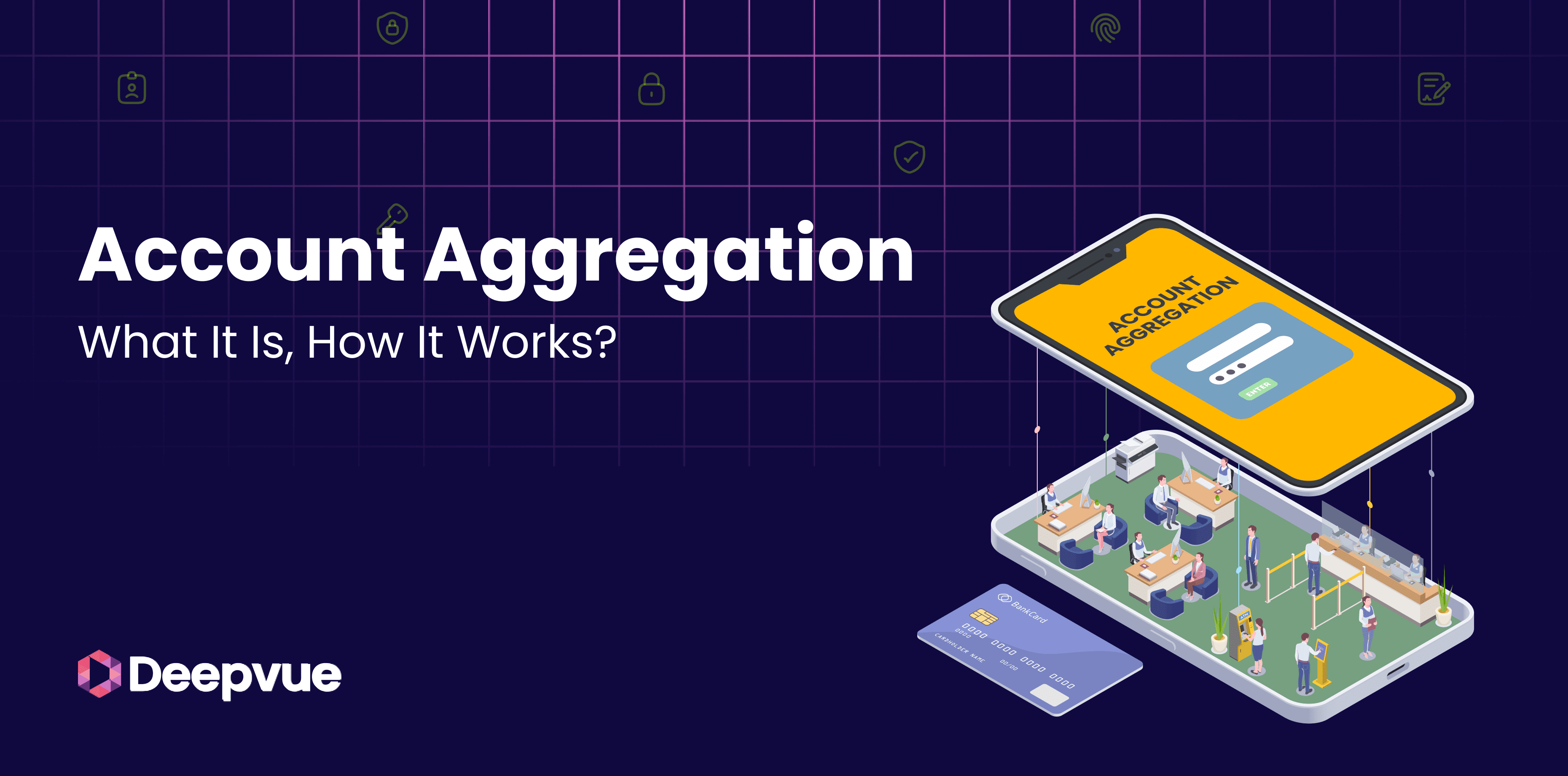
An Account Aggregator is a regulated institution licensed by the RBI. Its work is to facilitate individuals such as Ramesh to share their financial information with control, consent, and transparency. Imagine it as an online courier that retrieves your information from your bank (FIP or Financial Information Provider) and delivers it to the lender (FIU), without ever looking into the envelope.
Unlike screen scraping or manually uploaded PDFs, AAs use a tech-first, encrypted method. They do not see your data. They cannot sell or store it. They simply transport it safely and instantly.
Why Ramesh’s Old Experience Was the Norm?
Before AAs, India’s financial data lived in silos. Banks did not talk to each other. Insurers, investment platforms, and lenders worked in isolation. For users, this meant redundant paperwork, limited access to credit, and very little control over personal data.
For gig workers or small businesses like Ramesh’s, it was worse. With no traditional payslips or large assets, they were invisible to the formal credit system.
AAs stepped in to solve that.
How the Account Aggregator Flow Works (Through Ramesh’s Lens)?
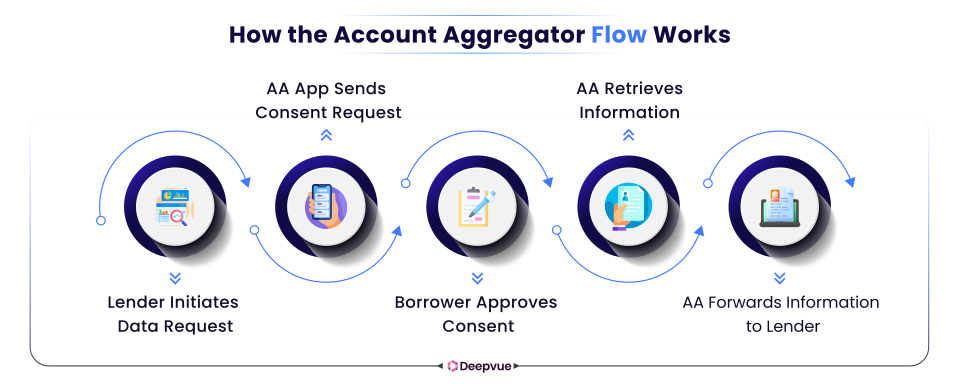
Let us walk through what happened the second time Ramesh applied for a loan:
- The lender initiated a data request using an AA app.
- Ramesh was sent a comprehensive consent request. It laid out what information was being sought, why, and for how long.
- He approved it in a matter of taps.
- The AA retrieved the information from his bank and GST portal (FIPs) and forwarded it to the lender (FIU).
The information was transmitted in real-time. No modifications. No human touch. No possibility of forgery. And here’s the most wonderful part? Ramesh could withdraw the permission at will.
From Use Case to Real Impact
For people like Ramesh:
- They get faster loans, tailored insurance, and better financial advice.
- They don’t have to know how it happens. It just happens.
For lenders:
- No more guesswork or risk on the basis of forged documents.
- Actual cash flow visibility, including for first-time borrowers.
For small businesses:
- Loan approvals now take into account real-time information such as GST filings and bank cash flows, not collateral alone.
For India:
- It is a leap toward financial inclusion, especially for those without credit scores.
How Deepvue’s AA API Strengthens the Ecosystem?
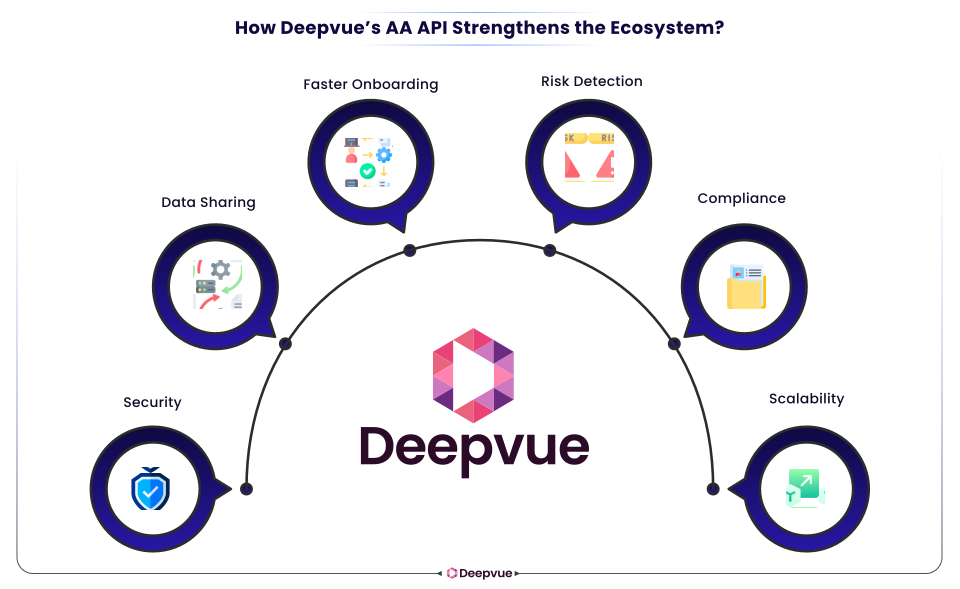
Our Account Aggregator API becomes a vital infrastructure enabler for this new data-sharing paradigm. By integrating our API, lenders and fintechs can:
- Instantly request and receive verified financial data from multiple institutions
- Enable faster onboarding and loan disbursal with lower operational effort
- Detect risk signals early through recurring consent-based monitoring
- Stay compliant with data protection and RBI regulations without building everything from scratch
Our API acts as the glue between various FIPs and FIUs, offering scalability, security, and support for customised use cases such as:
- Embedded lending
- Wealth management dashboards
- SME credit scoring
- Credit card onboarding
Whether for a neobank or an established NBFC, our Account Aggregator API accelerates digital finance while protecting the user’s right to data privacy.
Who Makes Sure It All Works?
The framework has a robust regulatory spine:
- RBI licenses AAs under the NBFC-AA category
- ReBIT, RBI’s tech arm, ensures technical standards
- Sahamati, a self-organised collective, keeps the players interoperable
It is not just tech. It is a tightly governed ecosystem with privacy and transparency at its heart.
Tomorrow’s Possibilities: What Ramesh Might See Next
What if Ramesh could get:
- A recurring credit line based on real-time cash flow
- Cheaper insurance premiums based on financial behaviour
- One-click wealth advice using a consolidated portfolio view
These are not far-fetched. With IRDAI, SEBI, and PFRDA working to bring insurers, mutual funds, and pension accounts into the AA ecosystem, these scenarios are on the horizon.
AA is building the rails. Innovation is about to ride them.
Some Hiccups on the Way
- Many users like Ramesh still do not know AAs exist
- Some banks are still catching up with data standardisation
- Consent flows need to be simpler and more intuitive
The Final Word: From Paperwork to Possibility
For Ramesh, what changed was not just the speed of his loan. It was a change of command. He had ownership of his data. He decided who accessed it. And in the process, he opened doors previously shut to him.
For India, Account Aggregators usher in a new era. One where data does not reside in institutions but with individuals.
And in that story, every Ramesh gets to be the protagonist.
FAQs
What is an Account Aggregator (AA)?
An AA is an RBI-regulated entity that helps individuals securely share their financial data with third parties like lenders or advisors, based on explicit consent.
How is data shared via AAs more secure than PDFs or emails?
AAs enable encrypted, read-only, and consent-led data sharing, unlike traditional document uploads or email-based exchanges, which are prone to tampering and leaks.
Who oversees Account Aggregators in India?
The Reserve Bank of India (RBI) licenses and regulates AAs as NBFC-AA.
What kind of financial information can be transmitted via AA?
Bank statements, fixed deposits, mutual fund holdings, insurance policies, pension details, etc., can be shared based on what FIPs are active.
Can an AA sell or misuse my information?
No. AAs are “data blind.” They don’t see, store, or profit from your data. They simply enable its transfer.